
When we last left the story of God’s kingdom people, David had passed the crown to his son Solomon. David’s reign was far from perfect, but he was remembered as “a man after God’s own heart.” Solomon, with his legendary wisdom and his building of the temple, seemed poised to continue that legacy. Yet the seeds of division were already being sown.
Solomon loved the Lord (1 Kings 3:3), but he also loved foreign wives and their gods (1 Kings 11). His compromises fractured the nation spiritually, and after his death, the kingdom literally split in two: Israel in the north and Judah in the south (1 Kings 12). From this point forward, the biblical story of the monarchy becomes a tale of two nations, each with its own kings, prophets, triumphs, and failures.
Two Thrones, Two Paths
The northern kingdom of Israel had nineteen kings in total, beginning with Jeroboam I. Not a single one is described in Scripture as faithful to the Lord. Jeroboam set up golden calves so the people wouldn’t go to Jerusalem to worship (1 Kings 12:28–30), and every king after him walked in his idolatrous footsteps. Though some were politically successful or militarily strong, spiritually the nation was on a steady downward slope.
Judah, on the other hand, had twenty kings. Most were unfaithful, but a handful are remembered as “good” – not because they were flawless, but because they sought the Lord and led reforms. Kings like Asa (2 Chronicles 14), Jehoshaphat (2 Chronicles 17), Hezekiah (2 Kings 18), and Josiah (2 Kings 23) stand out as bright lights in a darkening landscape. They tore down idols, reinstituted temple worship, and called the people back to covenant faithfulness.
Still, even the “good” kings were inconsistent. Joash started well under the guidance of the priest Jehoiada, but later abandoned the Lord (2 Chronicles 24). Amaziah “did what was right in the eyes of the Lord, but not wholeheartedly” (2 Chronicles 25). Uzziah was faithful for most of his reign but became proud and overstepped his authority in the temple (2 Chronicles 26). The chronicler doesn’t whitewash the record; he shows us leaders who were mixed bags – a bit like us?
The Prophetic Warnings
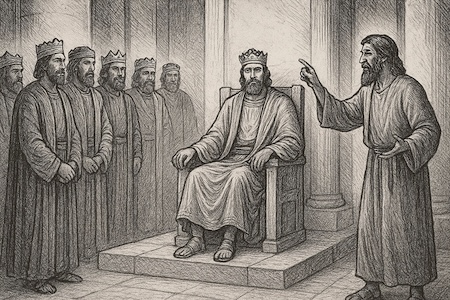
Throughout these centuries, God did not leave His people without a voice. Prophets like Elijah and Elisha, Amos, Hosea, Isaiah, Micah, and Jeremiah spoke truth to kings and nations. They confronted idolatry, called out injustice, and reminded the people that covenant blessings were tied to covenant faithfulness (Deuteronomy 28).
But most of the time, the prophets were ignored – or worse, persecuted. Think of Elijah standing alone on Mount Carmel, calling Israel to choose between the Lord and Baal (1 Kings 18). Think of Jeremiah weeping as his warnings fell on deaf ears (Jeremiah 9). Again and again, the prophets said: Return to the Lord, or exile is coming.
Patterns of Faithfulness and Rebellion
Reading through 1 and 2 Kings or 2 Chronicles, we see a pattern emerge. A king rises to power. If he does evil, the nation slides further into idolatry. If he does good, there’s often a brief reprieve, a season of reform, but it rarely lasts. With the next generation, the pendulum swings back toward rebellion.
The northern kingdom never once turned the tide. Every king “did evil in the sight of the Lord.” After centuries of warning, God allowed Assyria to conquer Israel in 722 BC (2 Kings 17). The ten northern tribes were scattered, never to return in the same form.
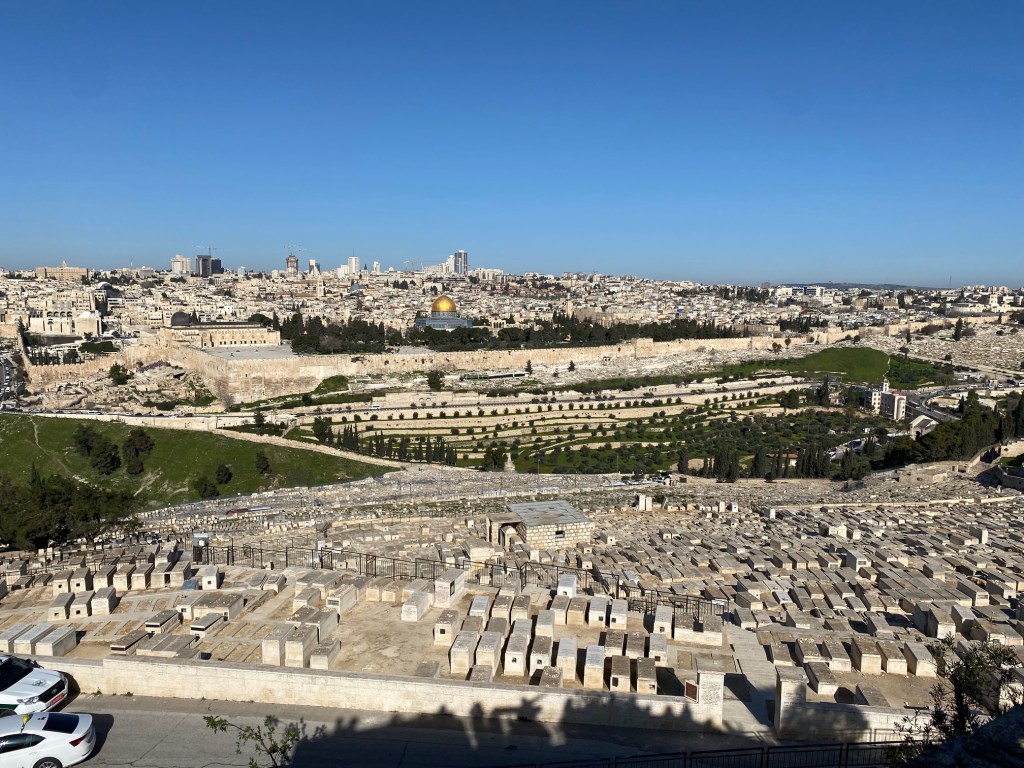
Judah limped along for another 135 years. Good kings gave the nation moments of hope, but the general trend was downward. Finally, under the weight of idolatry, injustice, and stubborn rebellion, God allowed Babylon to destroy Jerusalem in 586 BC (2 Kings 25). The temple was burned, the walls torn down, and the people carried into exile.
Why This Matters
It’s tempting to read this history as ancient political drama, but I think Scripture invites us to see something deeper. The story of Israel and Judah is the story of human hearts. Left to ourselves, we tend to drift toward idolatry. We start well and falter. We follow God for a season but slip back into self-reliance, pride, or compromise.
The kings of Israel and Judah remind us that leadership matters, but more importantly, they remind us of our need for the greater King. David pointed toward Him (2 Samuel 7:12–16). Solomon’s wisdom hinted at Him (Matthew 12:42). The prophets longed for Him (Isaiah 9:6–7). And though the line of kings failed (which, remember, the people asked for), God promised a Son of David who would reign forever in justice and righteousness (Jeremiah 23:5–6). That King is Jesus.
Living in the Tension
So what do we do with this mixed record of good and bad kings? Perhaps we’re meant to sit in the tension. To acknowledge both the warnings and the hope. The warnings show us the cost of disobedience: exile, loss, brokenness. The hope points us to the faithfulness of God, who never abandons His people even in their rebellion (Lamentations 3:22–23).
The exile was not the end of the story. God brought His people back (see Ezra and Nehemiah), rebuilt Jerusalem, and in the fullness of time, sent His Son (Galatians 4:4-5). The line of David was never truly broken; it was fulfilled in Christ.
As we reflect on the divided kingdom, maybe a takeaway is this: our faithfulness wavers, but God’s faithfulness never does…
If we are faithless, he always remains faithful. He cannot deny his own nature. (2 Timothy 2:13, Phillips).
We don’t need another human king to save us. We already have One who has conquered sin and death, who reigns forever, and who invites us to live as citizens of His unshakable kingdom (Hebrews 12:28).

 Practical Theology Today